How Tardigrades Survive the Most Extreme Conditions
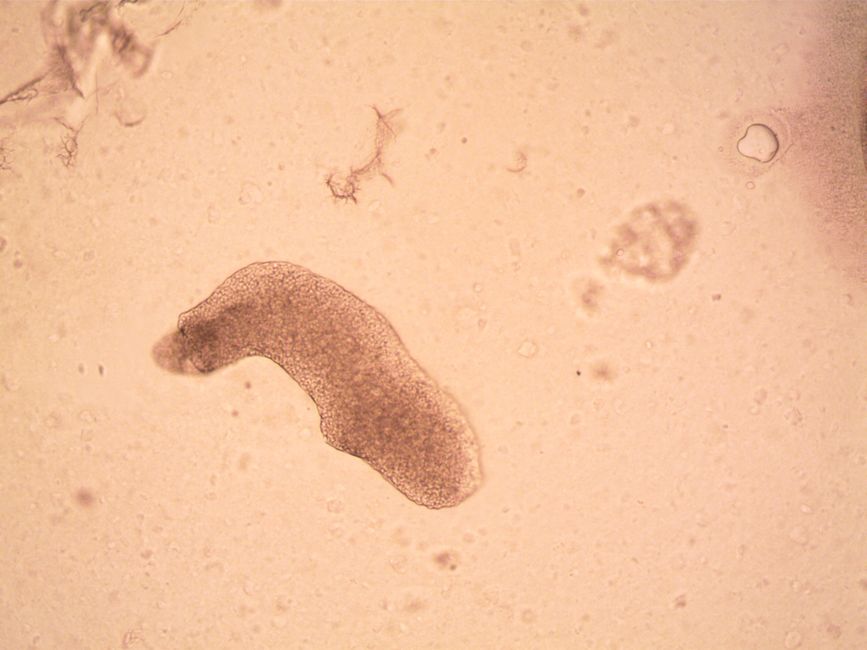
Tardigrades, often referred to as water bears or moss piglets, are microscopic animals renowned for their extraordinary resilience. Despite their simple appearance, they can survive conditions that would be lethal to most other life forms, including exposure to outer space, extreme temperatures, and intense radiation. This remarkable endurance has made them a subject of fascination for scientists and the public alike. Understanding how tardigrades achieve such feats involves exploring their unique biological mechanisms, from molecular protection to metabolic shutdown. This article examines the key strategies that enable tardigrades to thrive in environments that challenge the very limits of life.
The resilience of tardigrades is not a single adaptation but a combination of several sophisticated biological processes. Central to their survival is their ability to enter a state called cryptobiosis, a reversible ametabolic state triggered by adverse conditions. During cryptobiosis, tardigrades can lose up to 99% of their body water, retract their heads and limbs, and form a tun, a barrel-shaped structure that resists environmental stress. While this state is well-documented, recent research has revealed the intricate molecular machinery behind it, including the production of protective proteins and sugars. By examining these processes, we can better appreciate how tardigrades have earned their reputation as one of the toughest organisms on Earth.
The Role of Cryptobiosis in Survival
Cryptobiosis is the cornerstone of tardigrade survival, and it manifests in several forms depending on the stressor. The most common type is anhydrobiosis, a response to desiccation. When water becomes scarce, tardigrades gradually dry out, entering a tun state that can persist for years. During this process, they produce trehalose, a disaccharide sugar that helps stabilize cellular structures by replacing water molecules and forming a glassy matrix. This protects membranes and proteins from damage caused by dehydration. The ability to survive extreme drying is not only fascinating but also has potential applications in preserving biological materials.
In addition to anhydrobiosis, tardigrades can enter cryobiosis (survival at low temperatures), osmobiosis (survival in high salt concentrations), and anoxybiosis (survival in low oxygen conditions). Each type of cryptobiosis involves distinct mechanisms, but they all share a common outcome: metabolic activity is dramatically reduced, allowing the organism to endure periods of environmental stress. Interestingly, tardigrades do not simply ‘switch off’ metabolism; they actively maintain a minimal level of cellular function to repair damage and ensure revival. This nuanced approach to dormancy underscores the evolutionary sophistication of these tiny creatures.
Protective Proteins and Cellular Defenses
Beyond sugars, tardigrades possess a suite of unique proteins that contribute to their resilience. One family, known as tardigrade-specific intrinsically disordered proteins (TDPs), plays a critical role in desiccation tolerance. These proteins are highly flexible and can form protective gels that stabilize other proteins and organelles during dehydration. Unlike many proteins that lose their function when dry, TDPs remain active, providing a scaffold that prevents aggregation and membrane fusion. This discovery has opened new avenues for biotechnological applications, such as improving the stability of vaccines or enzymes.
Radiation resistance, another hallmark of tardigrades, is linked to their efficient DNA repair mechanisms. When exposed to ionizing radiation, such as X-rays or gamma rays, tardigrades suffer DNA double-strand breaks, yet they can repair them rapidly and accurately. They achieve this by upregulating genes involved in DNA repair, including those responsible for base excision and homologous recombination. Additionally, tardigrades produce antioxidants such as glutathione and enzymatic scavengers that neutralize reactive oxygen species (ROS), mitigating oxidative damage to proteins and lipids. These coordinated defenses make tardigrades remarkably resistant to radiation levels that would be lethal to humans.
Surviving Space and Vacuum
Tardigrades made headlines when they became the first animals to survive exposure to the vacuum of space. In 2007, the European Space Agency’s FOTON-M3 mission sent tardigrades into low Earth orbit, where they were exposed to solar radiation and the vacuum for ten days. Remarkably, many survived and even reproduced upon return, demonstrating their ability to withstand the extreme conditions of spaceflight. This resilience is partly due to their cryptobiotic capabilities, but also involves the accumulation of protective pigments and the repair of damage accrued during exposure.
The survivability of tardigrades in space has implications for astrobiology and the search for life beyond Earth. It raises questions about the potential for life to survive interplanetary transport, the so-called panspermia hypothesis. While tardigrades cannot grow or reproduce in space, they can persist in a dormant state for extended periods, potentially traveling between planets. However, the exact mechanisms that allow them to survive cosmic radiation and microgravity are still under investigation, and such conditions are unlikely to be the sole determinant of their survival. Understanding these processes contributes to broader discussions about the limits of life and the possibility of extraterrestrial organisms.
The Limits of Tardigrade Resilience
While tardigrades are extraordinarily hardy, they are not invincible. Certain stressors can overwhelm their defenses, and their tolerance varies among species and developmental stages. For instance, exposure to very high temperatures, above 150°C, for prolonged periods can be lethal, as can certain chemical insults. Additionally, the duration of cryptobiosis is finite; over time, even tuns accumulate damage that may prevent revival. Thus, tardigrades are not indestructible but possess a remarkable capacity to endure conditions that are far beyond the tolerances of most organisms, including humans.
Research into tardigrade resilience also highlights the trade-offs involved in such extreme survival strategies. Entering and exiting cryptobiosis requires energetic investment and can reduce lifespan. The molecular machinery that confers resilience may be costly to maintain, and in benign environments, tardigrades may reproduce more efficiently without these defenses. This evolutionary perspective suggests that resilience is not a universal advantage but an adaptive response to unpredictable environments. By studying where these limits lie, scientists can better understand the evolutionary pressures that shaped tardigrade biology.
Implications for Science and Technology
The unique adaptations of tardigrades offer valuable lessons for various fields, including medicine, biotechnology, and space exploration. Their proteins and protective mechanisms could inspire new strategies for preserving biological samples, stabilizing drugs, or engineering crops that withstand drought. The ability to repair DNA with high fidelity might inform approaches to reduce radiation damage in radiotherapy patients. Furthermore, tardigrades serve as model organisms for studying stress tolerance, potentially leading to insights into human aging and disease.
In space exploration, understanding tardigrade survival helps in the search for habitable exoplanets and in developing life-support systems that can withstand harsh environments. NASA and other agencies are investigating the molecular basis of tardigrade resilience to improve the durability of biological systems in space missions. However, applying these findings to practical use is not straightforward, as the mechanisms are complex and often interdependent. Continued research is essential to translate this biological marvel into tangible technological innovations.
As tardigrades continue to reveal their secrets, they remind us that life can thrive under conditions we once thought impossible, underscoring the importance of fundamental biological research.
Conclusion
Tardigrades’ ability to survive extreme conditions stems from a combination of cryptobiosis, protective molecules, and robust repair systems. Their resilience is not a single superpower but a layered defense strategy that allows them to endure desiccation, radiation, vacuum, and temperature extremes. While they are not truly indestructible, their extraordinary adaptations provide valuable insights into the mechanisms of life under stress. As research progresses, tardigrades may continue to inspire innovations across science and technology, demonstrating how the study of even the smallest organisms can expand our understanding of life’s potential.