The Hidden Web of Fungi Beneath the Forest Floor
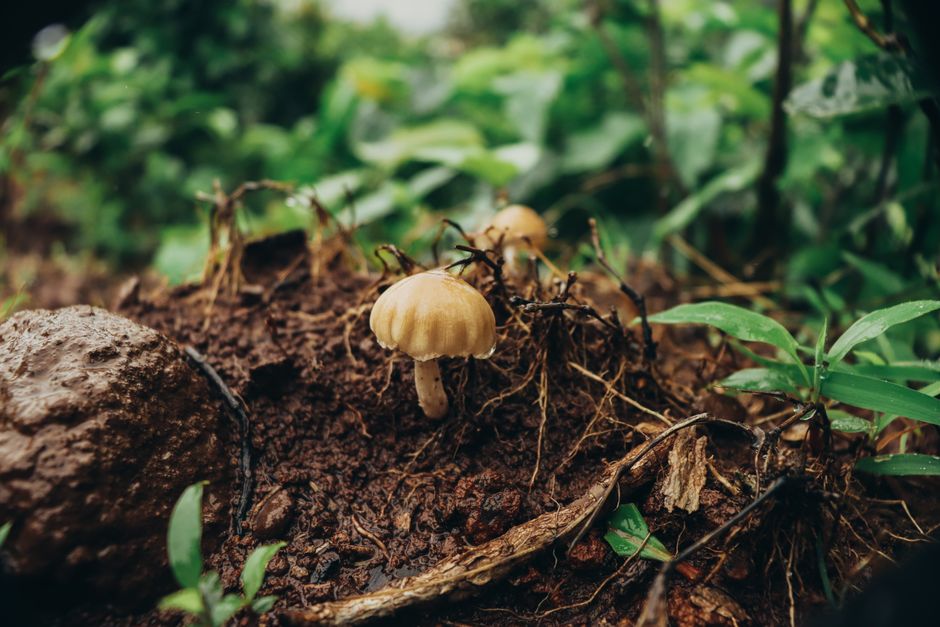
Beneath the rustling leaves and towering trunks of a forest lies an intricate, largely invisible web that connects the lives of plants and trees. This subterranean network, formed by mycorrhizal fungi, weaves through the soil, linking roots in a complex relationship that scientists have only begun to fully appreciate. The discovery of this hidden web is reshaping our understanding of forest ecosystems, revealing a communal structure where resources and information flow between organisms in ways that were previously unimaginable.
Mycorrhizal fungi form symbiotic associations with the roots of approximately 90% of terrestrial plant species. In this partnership, the fungi colonize the root system, extending their hyphae—fine, thread-like structures—into the surrounding soil. The fungi enhance the plant’s ability to absorb water and essential minerals, such as phosphorus and nitrogen, while in return, the plant supplies the fungi with carbohydrates produced through photosynthesis. This exchange forms the basis of a network that can connect multiple plants, creating a shared infrastructure beneath the forest floor.
The Architecture of the Underground Network
The mycorrhizal network is not a static structure but a dynamic and highly adaptive system. The hyphae of mycorrhizal fungi can extend far beyond the root zone, exploring the soil for nutrients and water. These hyphae can interconnect with the roots of different plant species, forming a common mycorrhizal network (CMN). Through this common network, resources such as carbon, nitrogen, and phosphorus can be transferred between plants, not only between the fungus and its host but also from one plant to another.
This network is often described as a ‘wood wide web’, drawing parallels to the internet due to its complex interconnections. However, unlike a digital network, the fungal web is shaped by biological and environmental factors. The structure of the network can vary depending on soil conditions, plant community composition, and seasonal changes. Some fungi form partnerships with a wide range of plants, while others are more specific. The architecture of the network thus reflects the ecological diversity of the forest, with variations in density, connectivity, and throughput.
Researchers have mapped these networks using molecular techniques, such as DNA sequencing and isotopic labeling, to trace the movement of carbon compounds between trees. These studies reveal that some trees, known as ‘hub’ or ‘mother’ trees, have more extensive connections than others, serving as central nodes that facilitate the flow of resources across the network. The presence of such hubs suggests a level of organization within the fungal web that may contribute to forest stability and resilience.
Nutrient Exchange and Resource Sharing
One of the most fascinating aspects of the mycorrhizal network is its role in nutrient distribution. In a forest, resources are rarely evenly distributed; some areas may be rich in nitrogen, while others may lack phosphorus. Through the networked hyphae, fungi can translocate nutrients from areas of abundance to areas of scarcity, effectively buffering against local deficiencies. This process is particularly critical in mature forests where competition for resources is fierce, and the ability to share may enhance the overall productivity of the ecosystem.
Carbon transfer between plants is another significant function of the network. Seedlings growing beneath a mature tree often receive a substantial amount of carbon from the adult tree via the fungal connections. This ‘nursery effect’ can improve the survival and growth of young plants, especially when they are shaded or in nutrient-poor conditions. In return, seedlings may also contribute carbon to the network, creating a bidirectional flow that benefits both parties.
However, resource sharing is not indiscriminate. The network exhibits selectivity; some connections are stronger than others, and the direction of flow can change depending on the needs of the plants and the season. For example, during periods of high carbon demand, such as leaf production in spring, carbon may move from storage roots to the canopy, but via the fungal network, it can also be redirected to neighboring plants under stress. This nuanced behavior highlights the intricate coordination between plants and fungi.
Communication and Signaling Through Fungal Threads
Beyond nutrient transfer, the mycorrhizal network may facilitate communication between plants. When one plant is attacked by herbivores or pathogens, it can release chemical signals that are transmitted through the fungal network to neighboring plants, prompting them to activate their own defense responses. This phenomenon has been demonstrated in laboratory studies, where plants connected by a common mycorrhizal network responded to the volatiles emitted by their wounded neighbors.
The exact mechanisms of this signaling are still being investigated, but it appears that the fungal hyphae can carry either the chemical cues themselves or induce changes in the plant’s signaling pathways. For instance, when a plant is infested with aphids, it may produce methyl jasmonate, a volatile compound that travels through the air and also through the fungal network. Neighboring plants exposed to this signal upregulate genes associated with herbivore resistance, making them less palatable to pests.
This interconnected communication system suggests that plants are not solitary individuals but members of a symbiotic society that can share information to enhance collective survival.
The implications of this are profound: it implies that trees can warn each other of threats, coordinate resource allocation, and potentially even influence species composition. However, it is important to note that these findings come from controlled experiments and that the extent and significance of these communications in natural forest ecosystems require further research. Scientists continue to explore the intricacies of these signals, including whether they are intentional or incidental byproducts of other biochemical processes.
The Role of Mycorrhizal Networks in Forest Health and Succession
Mycorrhizal networks play a vital role in forest health and ecosystem dynamics. By enhancing nutrient uptake and stress tolerance, these networks can help forests withstand environmental stressors such as drought, pollution, and climate change. In some cases, fungi can protect plants from soil-borne diseases by outcompeting pathogens or by triggering the plant’s immune responses.
Forest succession, the process by which ecosystems change over time, is also influenced by mycorrhizal networks. As forests age, the composition of plant and fungal communities shifts. Early successional plants often associate with a different set of fungi than mature forest trees. The presence of an established mycorrhizal network can facilitate the transition by providing a starting point for new species to integrate into the existing web. However, disturbances like clear-cutting or soil compaction can disrupt the network, slowing recovery.
Understanding these processes is particularly relevant for forest management and restoration. By considering the mycorrhizal network, conservationists can devise strategies that support the integrity of the underground ecosystem. For example, preserving soil structure and minimizing disturbance can help maintain the network’s continuity. Additionally, inoculating degraded soils with beneficial fungi may accelerate restoration efforts, although the effectiveness depends on numerous site-specific factors.
Implications for Ecology and Beyond
The discovery of the mycorrhizal network has profound implications for ecology, agriculture, and forestry. In natural ecosystems, it challenges the traditional view of plants as isolated individuals, instead highlighting the importance of cooperative interactions. In agriculture, there is growing interest in harnessing mycorrhizal fungi to improve crop yield and reduce reliance on chemical fertilizers. By fostering these symbiotic relationships, farmers might be able to promote soil health and plant vigor in a more sustainable way.
However, it is crucial to approach these applications with caution. The functioning of mycorrhizal networks is context-dependent, influenced by soil properties, climate, and plant and fungal identities. What works in one setting may not be effective in another. Moreover, the potential ecological impact of manipulating these networks on a large scale is not yet fully understood. Researchers emphasize the need for further studies to unravel the complexities of these interactions.
As our understanding deepens, it becomes clear that the hidden web of fungi beneath the forest floor is a vital component of terrestrial life. It fosters resilience, enables resource sharing, and facilitates communication among plants, weaving a fabric that sustains and enriches the ecosystem. For those who study and manage forests, recognizing the significance of this network offers new perspectives on conservation and restoration. For the general public, it reveals an astonishing layer of complexity in the natural world, inviting us to look beneath the surface and appreciate the unseen connections that bind life together.